Most French households have changed their eating habits in recent years for budgetary reasons. Cooking every day is no longer just about finding a recipe everyone likes: it means balancing the cost of fresh produce, the time available during the week, and the worry of throwing away food that hasn’t been eaten in time.
This combination of pressures encourages more meal planning, but it can also limit variety if you keep falling back on the same familiar dishes.
Fresh produce and food waste: the real obstacle to varied menus
Fear of wasting food leads many consumers to buy fewer fruits, vegetables, and fresh products. The reasoning makes sense: perishable food that doesn’t get cooked ends up in the bin, and nobody wants to throw money away. The problem is that this caution inevitably reduces the variety on your plate.
Cooking a varied range of meals every day means accepting some risk when it comes to freshness. A zucchini bought on Monday can easily end up in a soup on Thursday, as long as you’ve planned for it in your meal rotation. The key is a simple principle: cook the food that won’t keep as long first.
In practice, leafy greens (spinach, lamb’s lettuce, arugula) should be eaten within the first two days. Root vegetables (carrots, turnips, beets) will easily keep for five to six days in the refrigerator. Organizing your menus according to how quickly ingredients perish lets you explore cooking on Monde Gourmandises with more variety and less waste.
- Days 1–2: mixed salads, sautéed greens, fresh herbs as a garnish or in a quick pesto
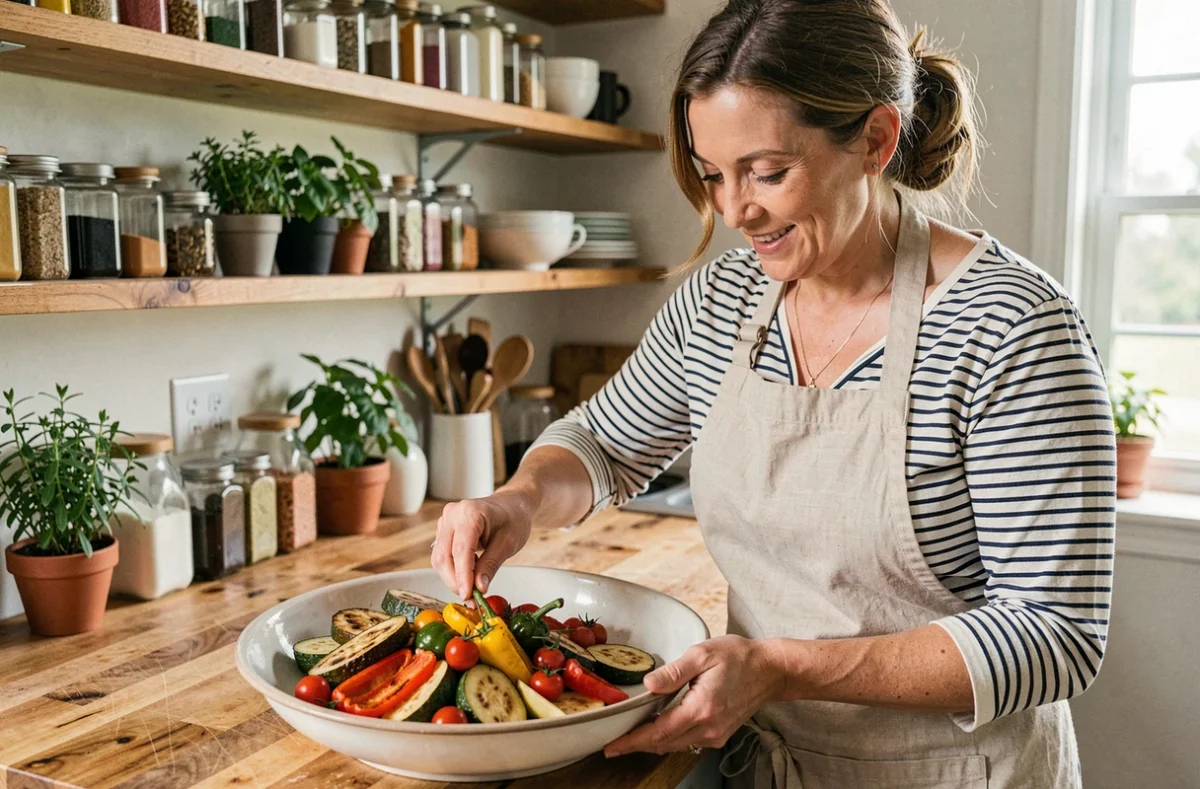
- Days 3–4: firm-fleshed vegetables (bell peppers, eggplants, zucchini) in a gratin, curry, or ratatouille
- Days 5–7: root vegetables and squash in soup, mashed, or roasted in the oven with spices
Planning meals according to the freshness of the ingredients turns the challenge of food waste into a way to add variety. Instead of defaulting to the same dish, you adapt the recipe to whatever needs using up first.
Everyday cooking on a budget: make trade-offs without repeating yourself
Cooking at home has become a direct response to budget pressures. Fewer restaurant meals, fewer ready-made dishes, and more food prepared from scratch. This broader trend isn’t limited to lower-income households: it affects a large share of the population looking to keep food spending under control.
The trap of a tight budget is monotony. Pasta, rice, and potatoes keep coming back because they’re inexpensive. To break the cycle, think in terms of staple ingredient groups and vary the cooking methods rather than the ingredients themselves.
Legumes: an underused option
Lentils, chickpeas, and dried beans offer some of the best value for money when it comes to protein. The same legume can be prepared in five different textures: whole in a salad, blended into hummus, mashed into a patty, simmered in a curry, or puréed into a velvety soup.
In March 2025, Anses published specific nutritional guidelines for vegetarian adults, highlighting the importance of planning these diets carefully. For everyday cooking, this means that combining grains and legumes in the same meal (rice and lentils, couscous and chickpeas) isn’t a specialist’s trick: it’s a solid nutritional foundation that opens up dozens of combinations.
Spices and condiments: add more flavor without adding more shopping
A pantry stocked with cumin, smoked paprika, curry powder, soy sauce, and balsamic vinegar can turn the same vegetable into a Mediterranean, Asian, or Indian-inspired dish. Changing the flavor profile is enough to make meals feel more varied, even when the base ingredients stay the same.
Buying spices in bulk or in large packets costs just a few cents per meal. It’s one of the most cost-effective ways to add variety to everyday cooking without increasing your grocery bill.

Weekly meals: a flexible framework instead of a fixed menu
Rigid planning (Monday: chicken, Tuesday: fish, Wednesday: vegetarian) works for a few weeks, then gets tiresome. A more sustainable approach is to set meal categories rather than specific recipes.
For example, assign each evening a cooking method or type of dish:
- One “everything in the oven” night: gratin, roasted vegetables, or fish baked in parchment, depending on what’s left in the refrigerator
- One “quick skillet” night: vegetable stir-fry, a loaded omelet, or fried pasta, ready in under twenty minutes
- One “slow-cooked or soup” night: slow cooking that makes the most of less tender cuts and vegetables that are past their prime
- One “cold or assemble” night: mixed salad, wraps, or loaded toast, with no cooking required
This framework leaves enough room to adapt to market deals, whatever you’re in the mood for, and leftovers from the night before. Choosing a meal format rather than a specific recipe takes the mental load out of deciding what to cook every evening.
Leftovers and makeovers: giving yesterday’s meals a second life
Extra cooked rice becomes the base for fried rice the next day. Leftover ratatouille can go into a quiche or be used as a pasta sauce. Repurposing a dish in a different form isn’t penny-pinching: it’s a way to add variety in its own right.
For this to work, deliberately cook a little more than you need. Making 20% extra rice or vegetables costs almost nothing, and the planned surplus becomes a ready-to-use ingredient for the next meal.
The kitchens that waste the least aren’t necessarily the ones that buy exactly what they need. They’re the ones that know how to turn leftovers into something new. Stock made from vegetable peelings, compote made with overripe fruit, a frittata made with yesterday’s vegetables: these simple habits add variety without adding expense.
Everyday cooking ultimately comes down to three practical strategies: use ingredients in order of freshness to avoid waste, change the seasonings rather than the staple ingredients, and plan a meal format instead of a fixed recipe. Variety at the table depends not on how many recipes you know, but on how flexible your approach is.