Graphic design and design professionals understand the importance of efficient file management. With the rapid evolution of digital tools, it is essential to master the technologies that allow for optimized management.
From collaborative platforms to version control software, recent innovations offer solutions to improve productivity and data security. By adopting these technologies, creatives can focus on their art while ensuring optimal organization and accessibility of their files.
New Technologies for Graphic File Management
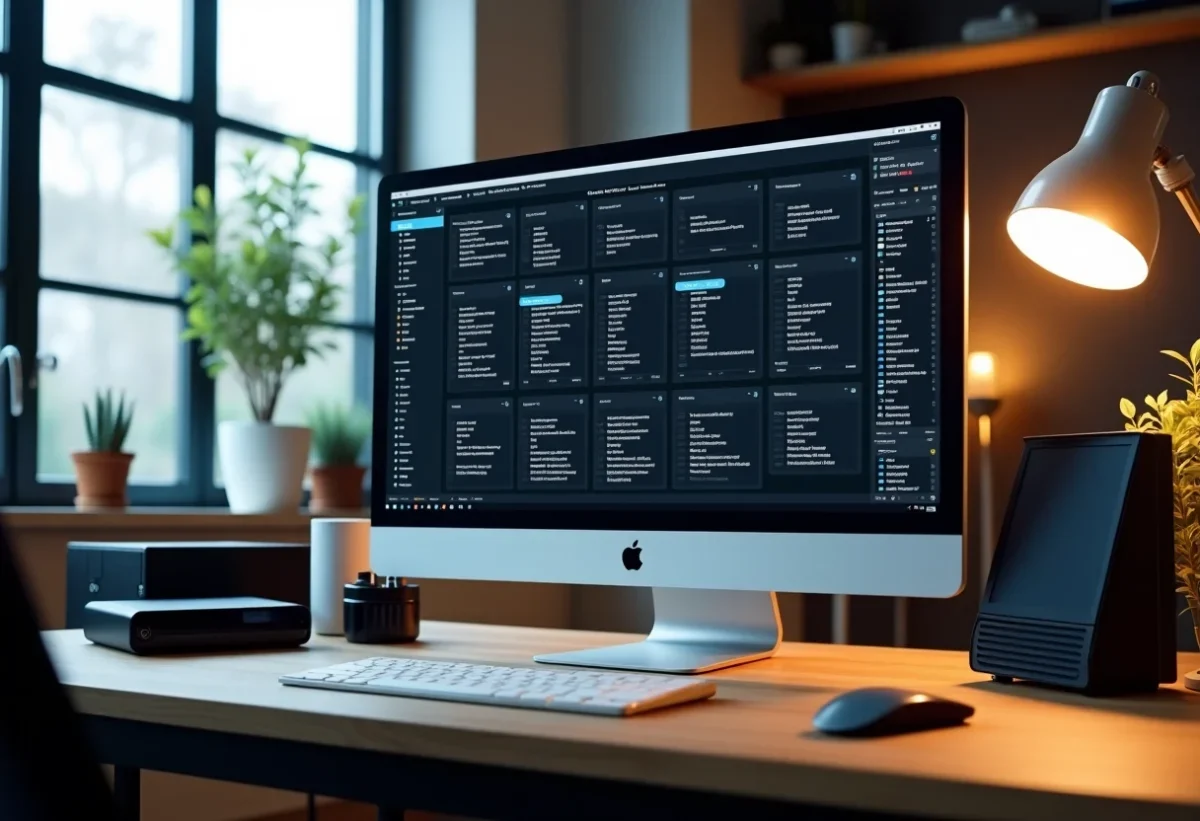
Digital Asset Management (DAM) solutions are proving to be essential tools for graphic design professionals. These technologies allow for the centralization, organization, and security of multimedia files, which are essential digital resources in the creative process.
The DAM solution enhances the efficiency, security, and accessibility of graphic files. By using these platforms, creatives can manage various file formats, ranging from images (JPEG, PNG, TIFF) to videos (MP4, AVI) and documents (PDF, Word). These solutions often integrate advanced search features, digital rights management, and version tracking, greatly facilitating collaborative work.
- File centralization: a DAM solution allows all files to be stored in one place, making access and management easier.
- Improved efficiency: with advanced search tools and metadata management, users can quickly find the necessary files.
- Enhanced security: DAM solutions offer high levels of security, protecting files from unauthorized access and data loss.
Digital asset management encompasses not only processes but also technologies like the DAM solution. By integrating these tools, professionals can focus on their creativity while optimizing the management of their graphic files. Platforms such as zupimage and others allow for maximizing the use of digital resources by providing solutions tailored to the specific needs of graphic designers. 
Best Practices for Optimizing Your Graphic File Management
To maximize efficiency and productivity in managing your graphic files, adopt best practices suited to new technologies. Here are some key recommendations:
- Organize your files by categories: classify your graphic files by types (JPEG, PNG, GIF, TIFF, RAW, MP4, AVI…) to facilitate their search and use.
- Use descriptive file names: adopt a standardized and descriptive naming convention for your files, including relevant information such as date, project, and content type.
- Implement metadata: add metadata to your files to improve their indexing and searchability. Metadata can include keywords, descriptions, and copyright information.
A rigorous version management is also essential. Version management allows tracking changes made to files over time, avoiding confusion and ensuring the use of the correct versions. Regularly backing up your graphic files on secure media, such as cloud servers or external hard drives, is crucial to prevent data loss.
The integration of real-time collaboration tools can greatly enhance the management of your graphic files. These tools allow multiple users to work simultaneously on the same file, facilitating idea sharing and project coordination.
For optimal management, don’t forget to use digital asset management (DAM) solutions, like zupimage, which offer advanced features tailored to your specific needs.