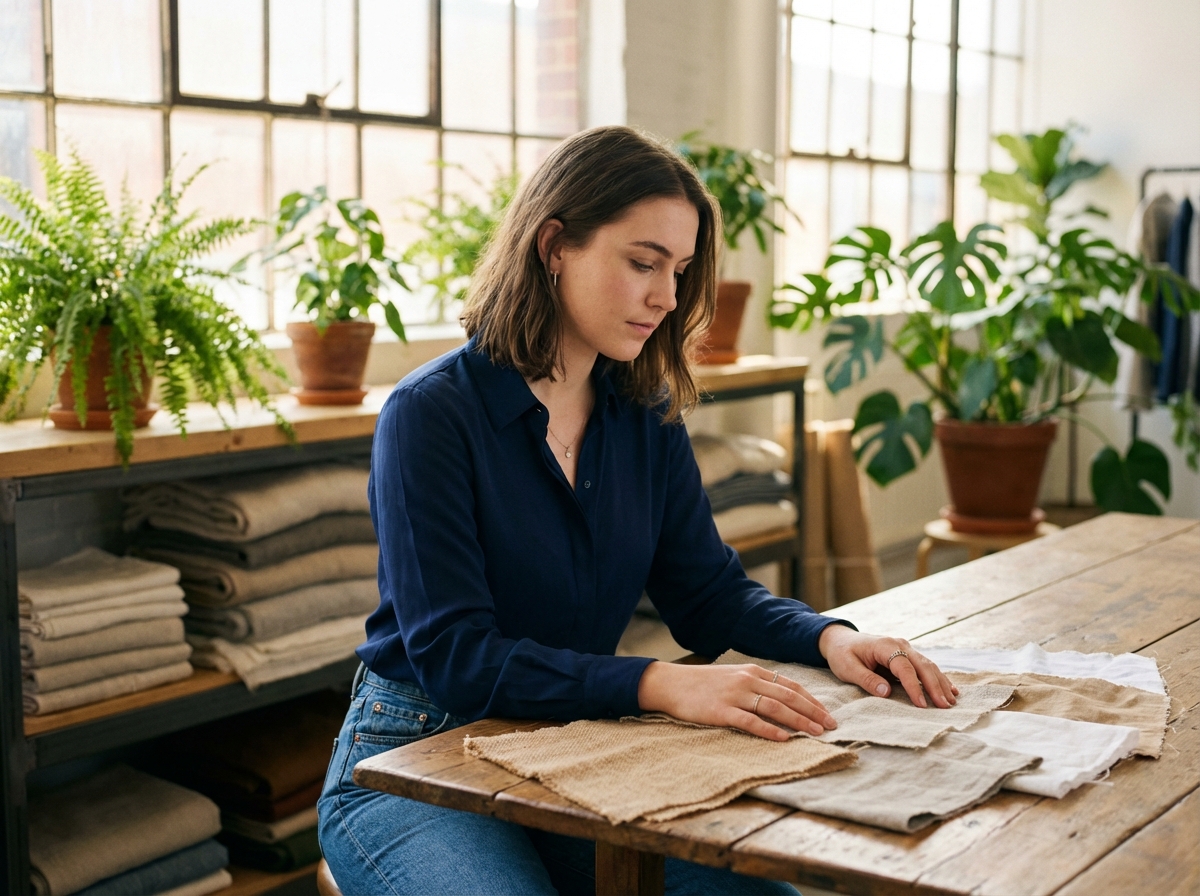
Linen often shrinks after the first wash, while polyester retains its shape but easily holds onto odors. Heavy cotton wrinkles faster than lightweight poplin, which is more fragile over time. Stretch fabrics, prized for their comfort, complicate cutting and assembly.
Each material presents its own challenges when it comes to making garments. Some fibers resist stains, others allow the skin to breathe, and still others accelerate the wear of clothing. The technical choice leaves its mark on the appearance and longevity of each piece.
The major families of fabrics: understanding their characteristics and uses
The starting point is the fiber. Two main realms share the field: natural fibers and synthentic fibers. Among the former, cotton, linen, wool, and silk stand out. Cotton, valued for its breathability and softness, becomes the companion for both summer days and ordinary occasions. Linen, with its rare lightness, is welcomed in warm climates. Wool, on the other hand, retains heat in winter. Silk represents elegance and fluidity, often reserved for unique pieces.
On the other side, synthetic materials multiply the possibilities: polyester, viscose, elastane, lyocell, polyamide, kevlar… Polyester reigns in the sports wardrobe for its durability and hassle-free maintenance. Elastane, even in small doses, adds valuable elasticity to fitted garments. Technical textiles, like kevlar, provide protection where resistance is not an option.
But the material is not everything. The structure of the fabric matters just as much. Woven fabrics, regular and sturdy, dress shirts and trousers. Knitted fabrics, more flexible, are suitable for pieces that require comfort or stretch. As for the weight, this weight per square meter directly influences the drape: density for coats, lightness for blouses. For detailed insights on weight according to use, the article “ custom t-shirt ” proves informative.
The offering also expands with recycled, organic, or blended fabrics: innovation and environmental commitment meet performance. This diversity allows for precise targeting, whether aiming for workwear, sportswear, a ceremonial dress, or a custom creation.
How to choose the right textile for your sewing project?
Each project has its requirements. To avoid mistakes, several points make a difference: weight, width, care, labels. The weight, that famous weight per square meter, determines the structure of the garment. Thick fabric for a straight skirt or coat, airy fabric for a blouse that moves.
Care, then, should not be taken lightly. Cotton and polyester wash without constraint and dry quickly. Wool and silk, however, require constant supervision: gentle washing, flat drying, controlled temperature. Adapting the choice to the daily life of the person who will wear the garment is betting on a piece that lasts.
Certifications such as GOTS, Oeko-Tex, or Fair Trade provide the guarantee of respected social or environmental criteria. Prioritizing them is betting on traceability and reducing the ecological footprint.
Before any cutting, handle the fabric, feel its texture, and check that it aligns well with the intended pattern. A simple sample helps assess the drape, fall, and ease of assembly. To delve deeper into the topic of weight, the resource “ custom t-shirt ” offers a relevant technical perspective.
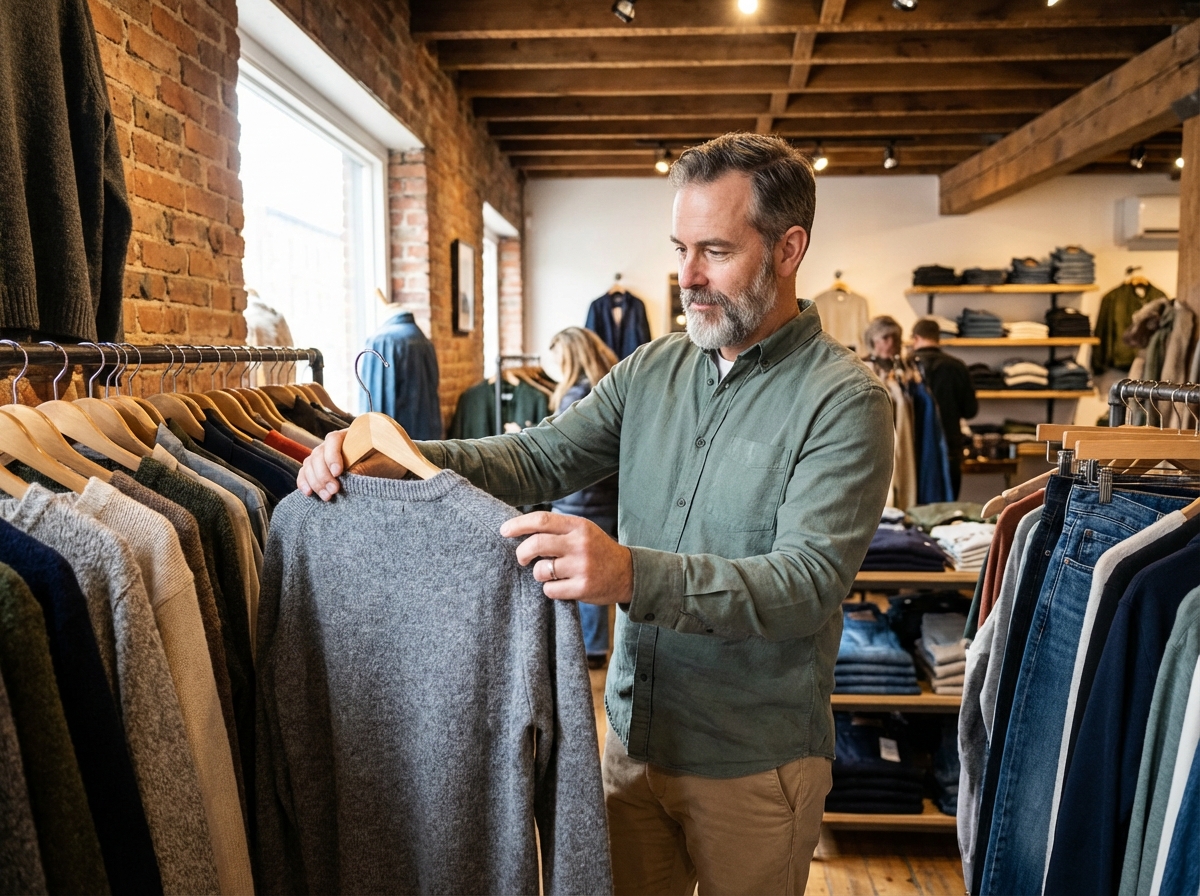
Practical tips for personalizing your creations and avoiding common mistakes
Personalizing a garment is not just about choosing a color or a print. Selecting the ideal fabric for your clothing is what determines success. Before tracing, ask yourself about the compatibility between fabric and use: rigid fabric for workwear, soft textile for a summer dress, stretch knit for sports. Consider the durability of the fabric, especially if the piece will be washed often or subjected to rough conditions. Durability tests (tensile, abrasion) provide a reliable insight into longevity.
When it comes to personalization, the marking technique becomes important. Screen printing, embroidery, heat transfer, each method has its constraints. Dense cotton perfectly accommodates embroidery; polyester, on the other hand, better supports transfers. Anticipate the fabric’s reaction to heat and pressure when applying logos or designs.
The choice of weaving influences the final appearance. Woven fabric is synonymous with robustness, while knitted fabric is synonymous with elasticity: adapt the material to the cut and function. To limit missteps, take the time to examine structure (weight, width) and composition (natural, synthetic, blended). Here are some guidelines to help you based on the type of garment:
- Ceremonial garment: silk, viscose, fluid drape
- Winter garment: wool, polyester, reinforced insulation
- Everyday garment: cotton, soft comfort, easy care
Mastering the choice of textile opens the way to creations that hold up, combining comfort and longevity. Anticipating the compatibility between fabric and personalization technique helps avoid many disappointments and gives each creation every chance to shine.