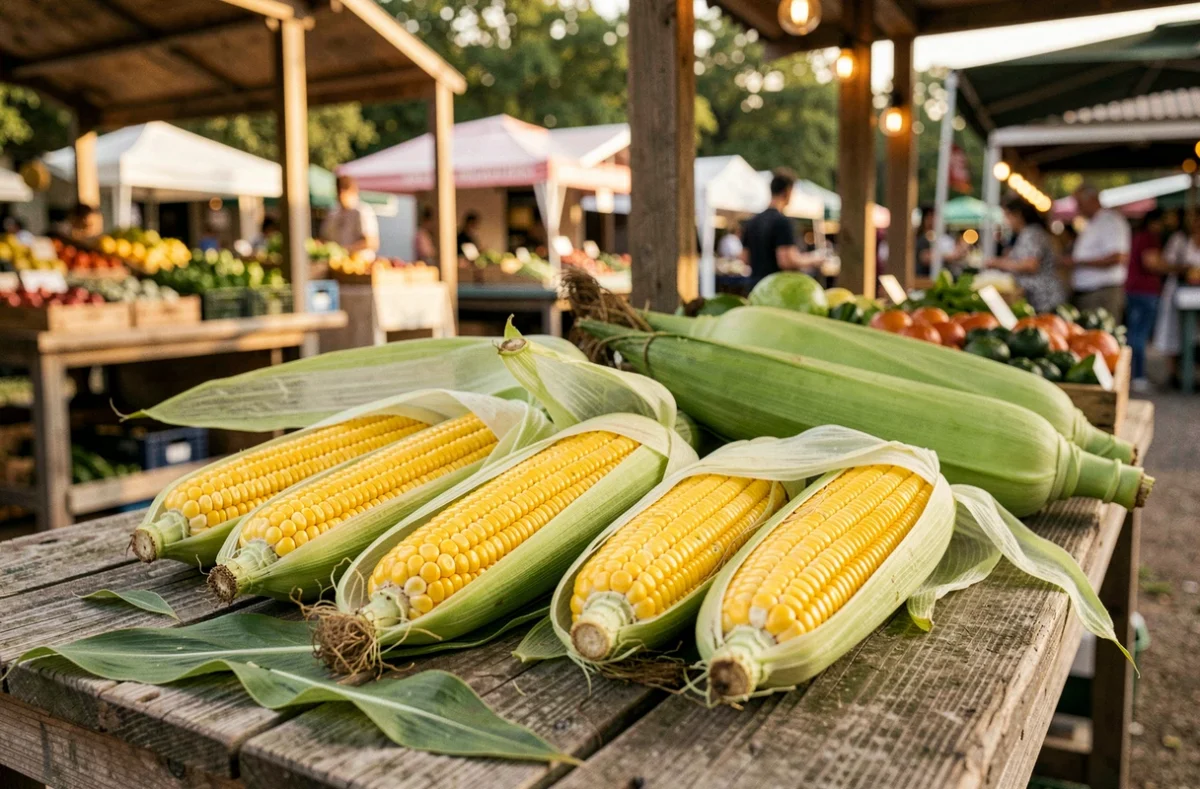
The cobette refers to an ear of corn harvested very young, before pollination and the development of the kernels. This term, common in fast food and Asian cuisine, remains vague for many consumers who confuse it with a simple mini-ear of sweet corn. However, the cobette is distinguished by a specific harvesting method and culinary uses.
Cobette of corn and harvesting window: an unknown agronomic constraint
The cobette is not a distinct variety of corn. It comes from the same plant as classic sweet corn, Zea mays, but is picked at a very early stage. The harvest occurs shortly after the appearance of the silks, those silky filaments that emerge from the top of the ear.
At this stage, the kernels have not yet formed. The entire ear, including the cob, remains tender enough to be eaten without peeling or de-kerneling. It is this early harvest that makes the cobette edible from tip to base.
The difficulty lies in the brevity of this window. A few days of delay are enough to make the ear fibrous and significantly less pleasant to eat. For producers, this requires daily monitoring of the plants and quick manual harvesting, which partly explains why the cobette remains a relatively niche product in the European short supply chain.
To learn everything about the cobette definition and its botanical origins, the topic deserves a detour through the logic of pollination: since the ears are harvested before fertilization, the formation of sweet kernels is simply not necessary. This point clearly distinguishes the cobette from sweet corn sold on the cob or in cans.
Fresh, canned, or frozen cobette: differences in cooking
In France, cobettes are mainly found canned or frozen in the Asian sections of supermarkets. The fresh version remains rare and is limited to seasonal harvests or a few specialized farmers.
Canned cobette
This is the most common form. The ears are precooked and preserved in brine. Before use, they should be thoroughly drained and rinsed in cold water to remove excess salt. Drying them before cooking significantly improves the result, especially for oven, wok, or frying preparations.
Frozen cobette
It retains a crunchiness closer to the fresh product. Thawing in the refrigerator is preferable to microwaving, which softens the outer fibers. However, for a quick stir-fry, frozen cobettes can be added directly to the hot pan without prior thawing.
Fresh cobette
The most interesting in taste, with a slightly sweet flavor and a firm texture. Its shelf life is short: a few days in the refrigerator. It is well-suited for quick steaming or grilling.
Cooking the corn cobette: three methods that change the result
Since the cobette is already tender (or precooked in a can), cooking mainly serves to add color, flavor, and surface texture. Cooking times remain short.
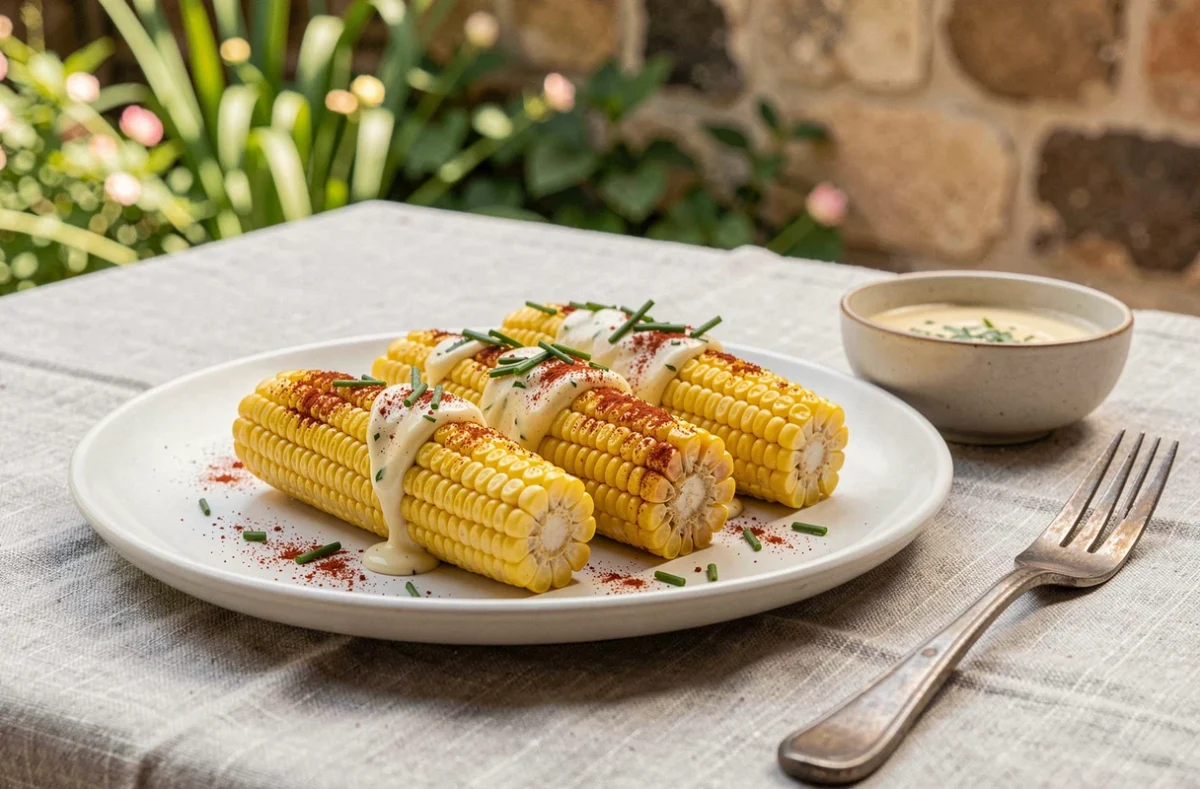
- In the oven with olive oil and paprika: brush the cobettes, season with salt and pepper, and add smoked paprika. Roast until the edges caramelize. The oven concentrates the flavors and gives a slight crispiness on the outside.
- Stir-fried in a wok with butter and pepper: the fastest method. Brown butter adds a toasted note that pairs well with the natural sweetness of the cobette. A few minutes over high heat is sufficient.
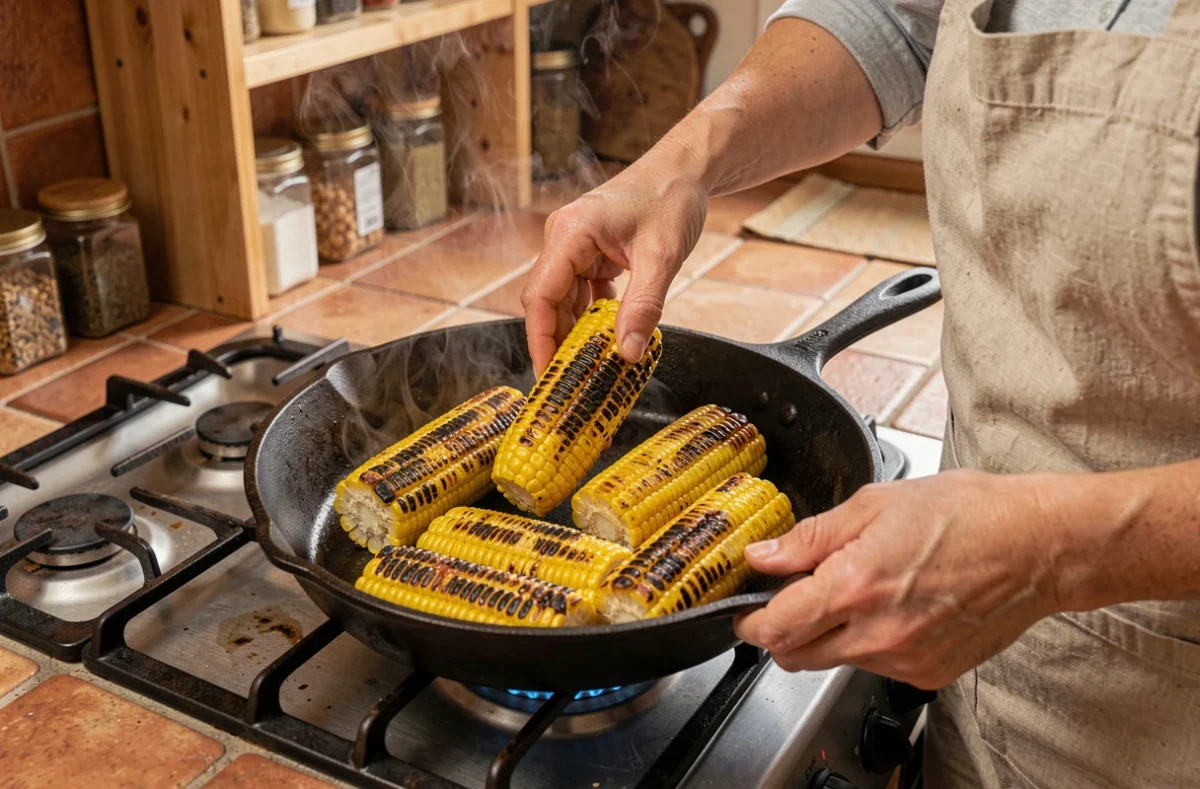
- Grilled on the barbecue or plancha: cobettes handle direct heat well. The grill marks add a slight bitterness that contrasts with their crunchy texture. A drizzle of lemon juice at the end of cooking enhances the overall flavor.
In all three cases, the cobette benefits from being seasoned after cooking rather than before. Spices applied to a wet ear tend to slide off or burn upon contact with heat.
Recipes with cobette: beyond a side dish
The cobette is often relegated to the role of garnish in fast food menus. In home cooking, it can take a more central place.
In a mixed salad with crunchy vegetables, the cobette adds volume and a firm texture that holds up well against an acidic vinaigrette. Paired with grated carrots, cucumber, and coriander leaves, it effortlessly fits into an Asian-inspired theme.
In a vegetable curry, whole cobettes hold up better to prolonged cooking than most other vegetables. They absorb the broth without falling apart, making them a choice ingredient for stews.
In tempura, the cobette lends itself remarkably well to frying in a light batter. Its elongated shape makes it easy to handle, and the contrast between the crispy coating and the tender heart works particularly well as an appetizer.
For preparations involving boiling water (like pot-au-feu or broth), the cobette retains its structure where sweet corn kernels tend to disperse. This mechanical resistance remains its main asset in long cooking recipes.
Cobette and sweet corn: two distinct consumption logics
Confusing cobette and sweet corn is like comparing a green bean to a dried bean. The product is the same, but the stage of maturity changes everything: taste, texture, nutritional value, preparation method.
Sweet corn is harvested at maturity when the kernels are full of sugar. It is consumed de-kernelled or on the cob, often after cooking in salted water. The cobette, on the other hand, is eaten whole and derives its value from the crunchiness of its tender cob, not from the sweetness of its kernels.
In cooking, the two are not interchangeable. Replacing cobettes with corn kernels in a stir-fry radically alters the dish’s texture. The reverse is equally true: a grilled cobette will never provide the sweet softness of a sweet corn ear cooked in water.
This distinction, seemingly simple, conditions the choice at the time of shopping. The cobette is closer to a crunchy vegetable (like asparagus or green beans) than to a sweet starchy food. Keeping this in mind avoids disappointments in the kitchen.